Cooking is a powerful path to autonomy.
Since 2016, PichaEats has worked alongside refugee chefs and stateless individuals in Malaysia — building livelihoods, careers, and dignity through food. Here's how, in five pillars of impact.
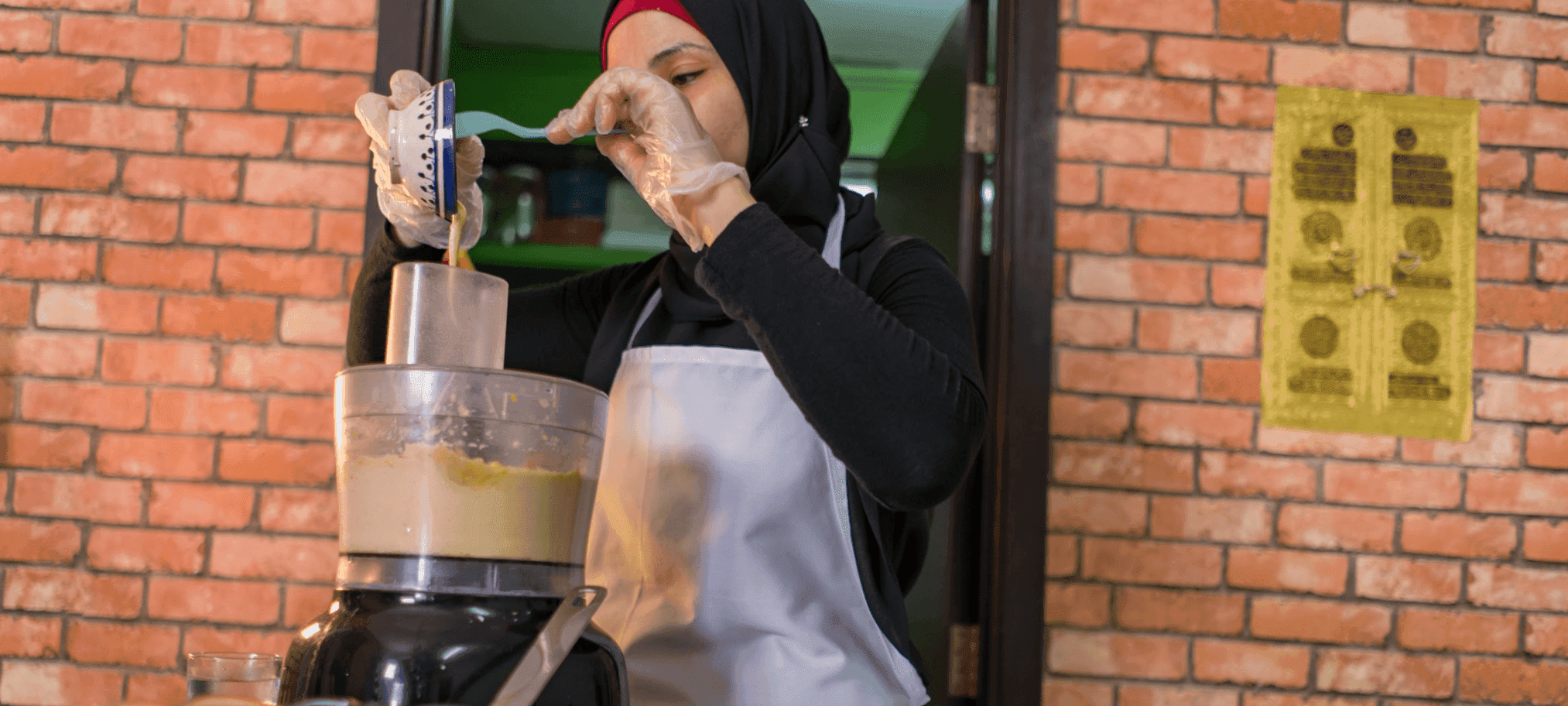
Refugees in Malaysia have no formal right to work.
Malaysia is not a signatory to the 1951 UN Refugee Convention. This means that refugees registered with UNHCR in Malaysia — many from Myanmar, but also from Syria, Afghanistan, Palestine, Pakistan, and Iran — are not officially recognised as asylum seekers and are not permitted to take up formal employment.
For families who have already lost their homes, this creates a second crisis: poverty with no clear path forward. Children drop out of refugee learning centres to take informal work to support their parents. Adults who were once professionals find themselves unable to use their skills.
The same gap affects Malaysia's stateless community — individuals born here but locked out of education, formal employment, and legal protection due to gaps in nationality laws.
This is the gap PichaEats was built to address.
Impact at a glance.
Verified figures from our 2025 Impact Report
19 home kitchens
created in 2025
to chefs in 2025
centralised kitchen
community in 2025
with new equipment
Entrepreneur Incubator
with Lawyers for Liberty
How we build livelihoods, not handouts.
PichaEats' impact is structured around five pillars — each one tackling a specific dimension of what refugee and stateless individuals need to build sustainable, dignified lives in Malaysia.
Income Generation
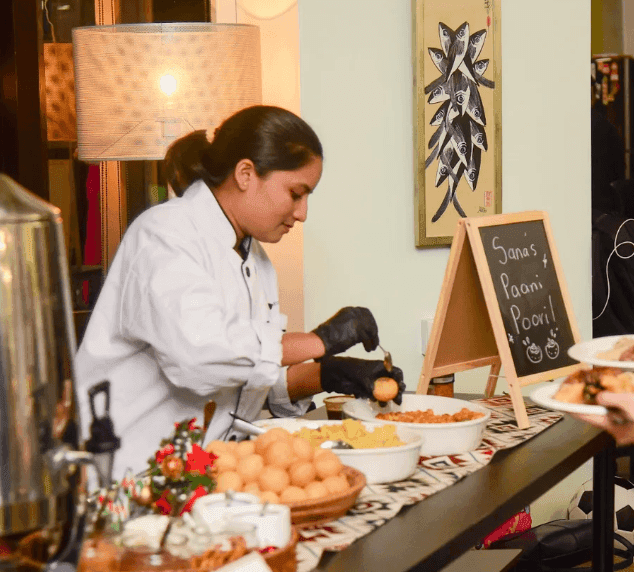
The foundation of everything we do: putting real, recurring income into the hands of people who would otherwise be locked out of formal employment in Malaysia.
In 2025, our 23 chefs across 19 home kitchens earned RM 1,045,295 directly through PichaEats — an average monthly income that more than tripled from before they joined. Since 2016, we've channelled over RM 7.2 million to chef families.
Limelight
A youth-focused training initiative launched in 2025, designed for refugee young adults aged 18–25. Using mocktail-making as a creative entry point, participants build confidence, communication, teamwork, and self-expression skills — and earn income from real events.
Limelight extends our impact beyond the kitchen, equipping refugee youth with skills, mindset, and possibility — beyond what traditional kitchen roles offer.
Physical Capital
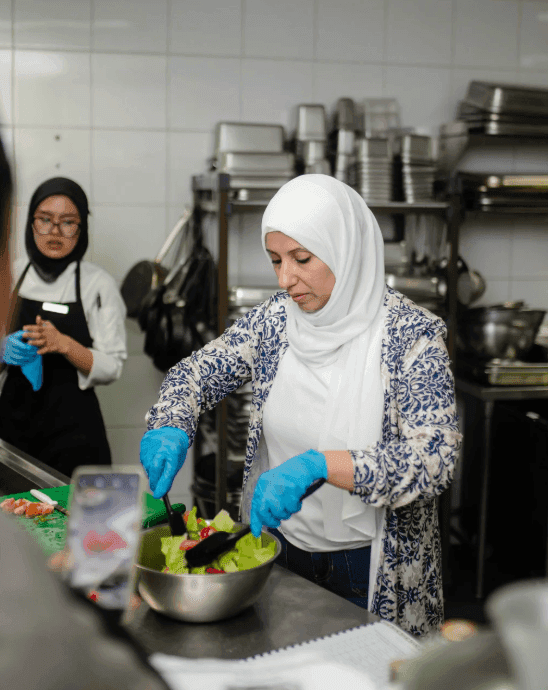
An income alone isn't enough — chefs need kitchens that can scale. Many of our chefs began with home kitchens that couldn't handle catering volumes. So we invest in the physical infrastructure that lets them grow.
A shared professional space for the community
Our centralised kitchen is more than a production facility — it's a learning environment where chefs, trainees, and part-time staff collaborate and gain hands-on experience in a professional kitchen setting.
By centralising larger orders and training activities, we create employment opportunities beyond individual home kitchens — letting more people from refugee and stateless communities take part in food preparation, packing, and operations.
Capacity Building
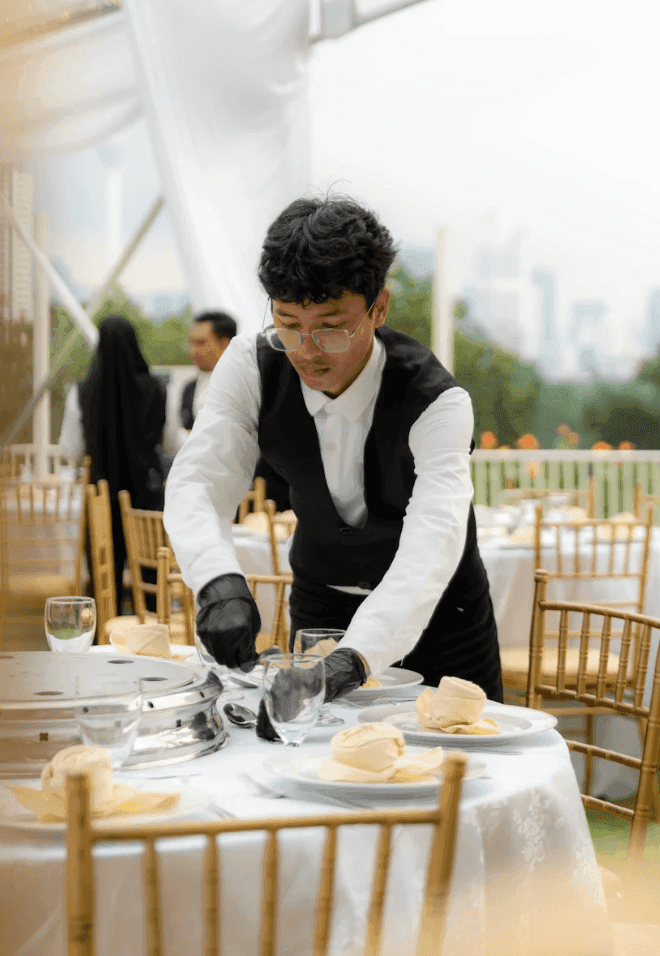
Across the communities we work with, potential is abundant. What's often missing is access to training — not just culinary, but the practical workplace skills that unlock long-term employability anywhere.
Skills our chefs reported gaining
Before joining PichaEats, I didn't know how to work effectively as part of a team. Now, I have learned how to communicate, cooperate, and support others while working together.— Picha Chef, anonymous submission
Skills that travel beyond our kitchen
Our 2025 training sessions combined practical workplace skills with personal development — supporting participants to build confidence, resilience, and clarity for any form of work, within or beyond PichaEats.
From trainee to Picha Chef
Our flagship up-skilling programme combines courses, workshops, and on-site practical training — letting trainees experience working in a real F&B business. Modules cover kitchen hygiene, food handling, finance and costing, digital marketing, and multi-cuisine cooking — finishing with a month of supervised real orders for actual clients.
I am truly grateful for this platform. It has given me excellent training, built my confidence, and helped me become stronger. The teachers were polite, supportive, and always explained everything with patience. This training has changed my life, and I am proud to be a Picha Chef.— Incubator graduate, anonymous submission
Building Lasting Relationships
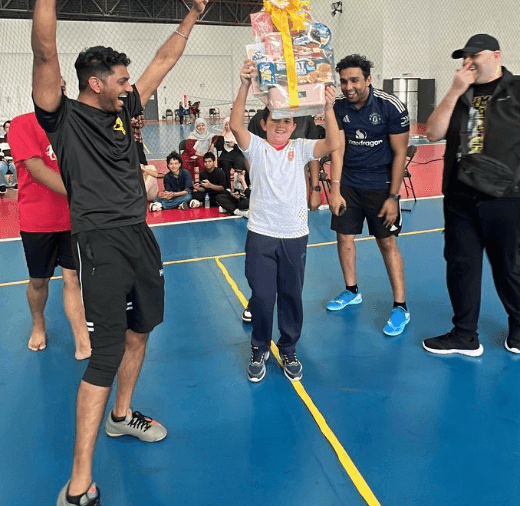
A job changes a household. A community changes a life. Beyond income and training, our chefs and their families need belonging — to feel seen, supported, and never alone in a country where the system often makes them invisible.
Stepping out of the kitchen
Every few months, we take a break from the hustle and head out together — a beach day, a poolside gathering, or simply sharing a meal. These moments let chefs and team bond beyond work. Laughter, stories, and good food are what keep the community strong.
Showing up at home
Some of the best conversations happen over a home-cooked meal. Every few months, we visit our chefs to check in, share their joys and struggles, and simply spend time together. These visits help us understand them better — and remind them that they're never alone in this journey.
From plate to story
At every Picha Hangout, our chefs take the stage and share their stories — their journey, their challenges, their dreams. It's one thing to enjoy a good meal, but another to hear from the person who made it. Seeing clients connect with chefs on this deeper level is what makes the work mean something.
Legal Pathways for stateless individuals
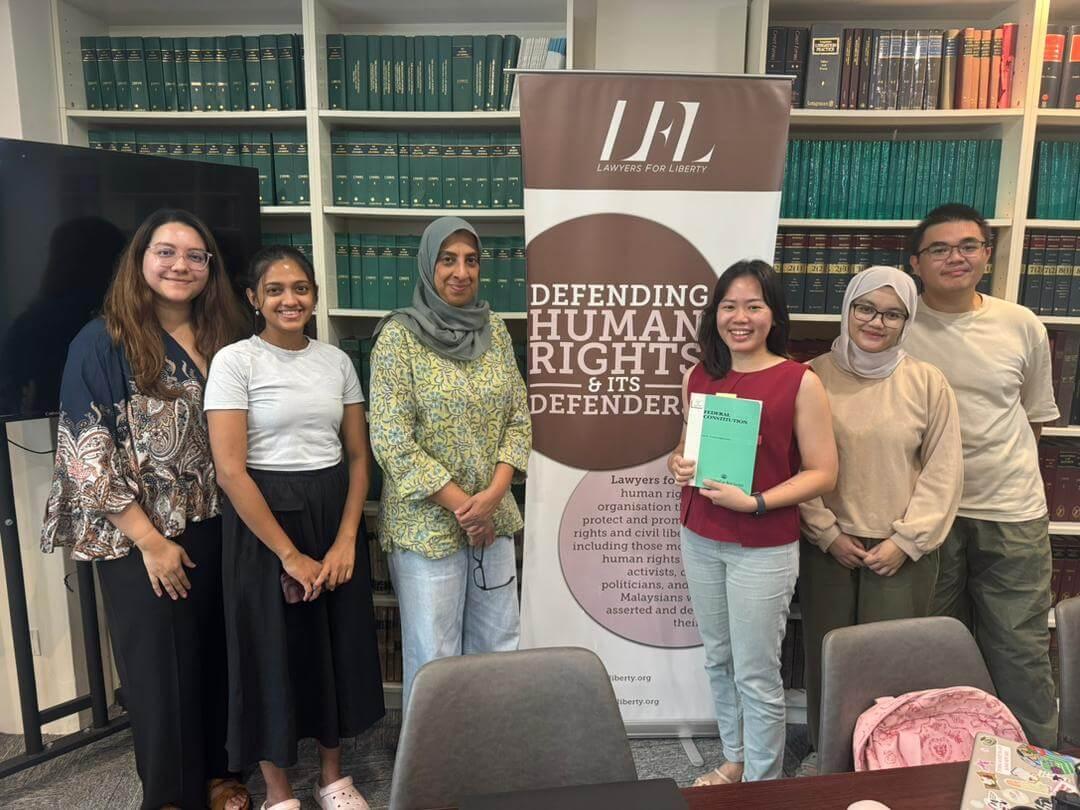
Malaysia is home to a significant population of stateless individuals — people who, due to gaps in nationality laws and documentation, face lifelong barriers to education, employment, and legal protection. Without formal recognition, many grow up locked out of systems meant to provide stability and opportunity.
Our involvement began through our partnership with Dignity for Children Foundation, where we recruited displaced and stateless youth as PichaEats interns. Working closely with them revealed that beyond skills and jobs, legal identity is a critical missing piece.
Partnership with Lawyers for Liberty
In 2025, PichaEats began supporting stateless individuals by working alongside Lawyers for Liberty to navigate documentation and legal processes. Through this collaboration, two new cases were initiated, with one submitted within the year.
Beyond case support, we've begun gathering volunteers to assist with coordination and follow-up — strengthening access to legal guidance for individuals who would otherwise face significant barriers navigating these processes alone.
By supporting legal navigation, we aim to complement our livelihood work with longer-term structural support — helping stateless individuals move closer to legal recognition, unlock access to education and work, and reduce the isolation they face navigating complex systems alone.
Built in partnership with
Three ways to amplify the work.
Cater your next event
Every catering booking funds our chefs, programmes, and the entire chain — from kitchen to service to logistics. The most direct way to support the work is to book us.
Request a quote →Join our community
We're always looking for volunteers to help with our legal pathway work, training programmes, and chef hangouts. Time is one of the most valuable things you can give.
Volunteer with us →Build something with us
Whether it's a CSR programme, a corporate offsite, a training collaboration, or a longer-term partnership — we work with organisations who want to do this together.
Start a conversation →