12 Unique Things to Do in KL That Locals and Travellers Both Love (2026)
This guide is for KLites hosting friends, expats settling in, and travellers who want to see the KL that locals actually love - the neighbourhoods, the wet markets, the art scenes, and the meaningful experiences that don't show up first on TripAdvisor.
Whether you are planning a weekend to do in KL, organising a group activity in KL, looking to visit a social enterprise in Malaysia, or just want something better than another mall crawl, here are 12 experiences worth knowing about.
What are unique things to do in KL for groups?
Unique things to do in KL that both locals and travellers love include hiking to Batu Caves, exploring the KL art scene at Ilham Gallery, wandering restored heritage alleys like Kwai Chai Hong, browsing the TTDI Sunday night market, catching a show at KLPAC, and visiting a social enterprise like PichaEats to share a meal with a refugee chef at an Open House from RM150 per pax. We come back to the Open House in section 12. First, the wider list.
1. Climb the rainbow stairs at Batu Caves
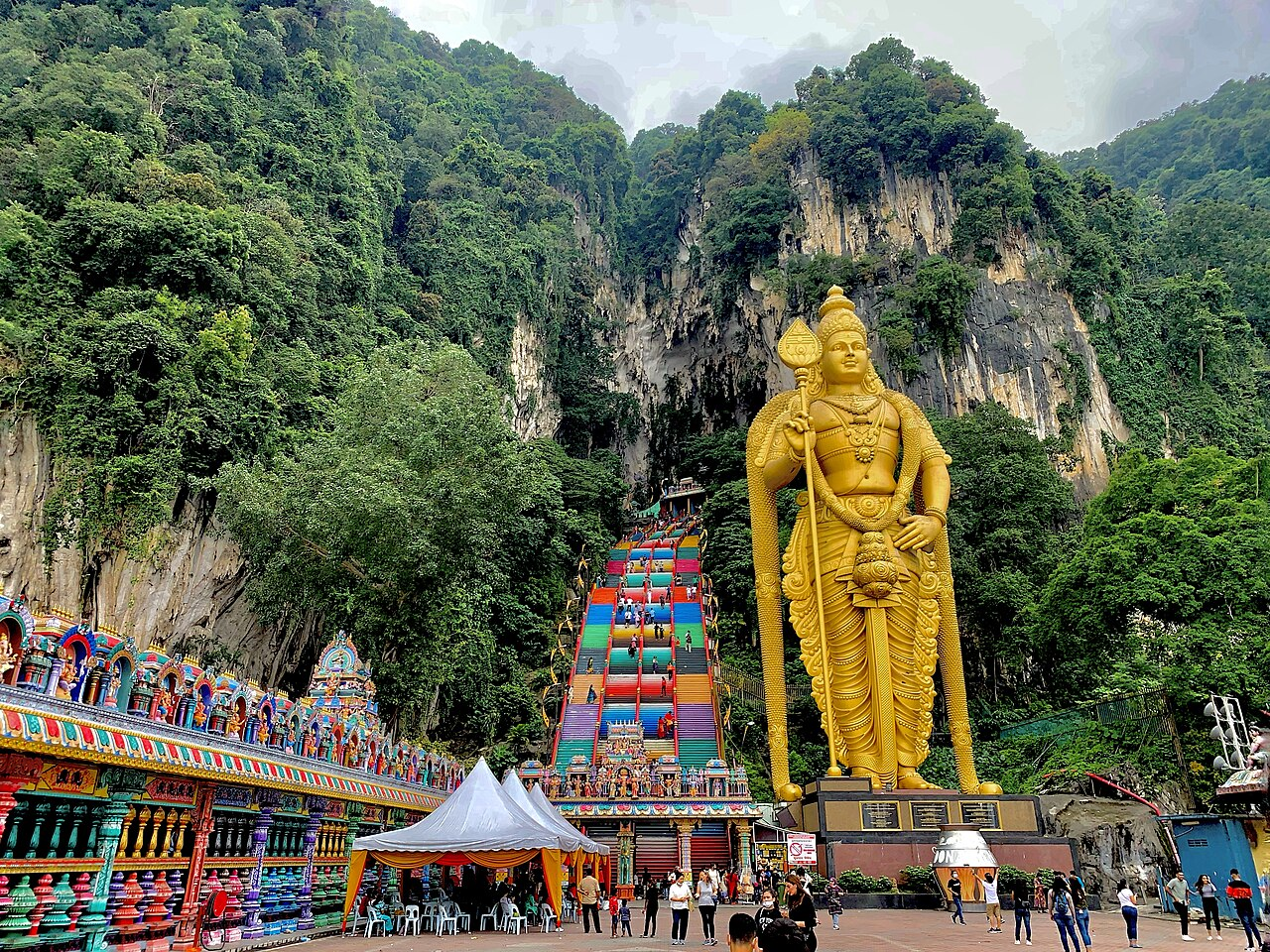
Photo Credit: https://en.wikipedia.org/wiki/Batu_Caves
Yes, it is on every guidebook. But locals still bring visiting friends here for a reason. The 400-million-year-old limestone hill just 30 minutes from KL city centre features 272 rainbow-coloured stairs leading up to Hindu temples inside a massive cave. Come before 9am to skip the tour buses and the worst of the heat. Watch for the macaques but don't feed them.
For a quieter, less-crowded alternative just next door, Cave Villa is genuinely one of the most underrated things to do in KL — beautiful, detailed, and almost always empty.
2. Eat local food that is not Jalan Alor
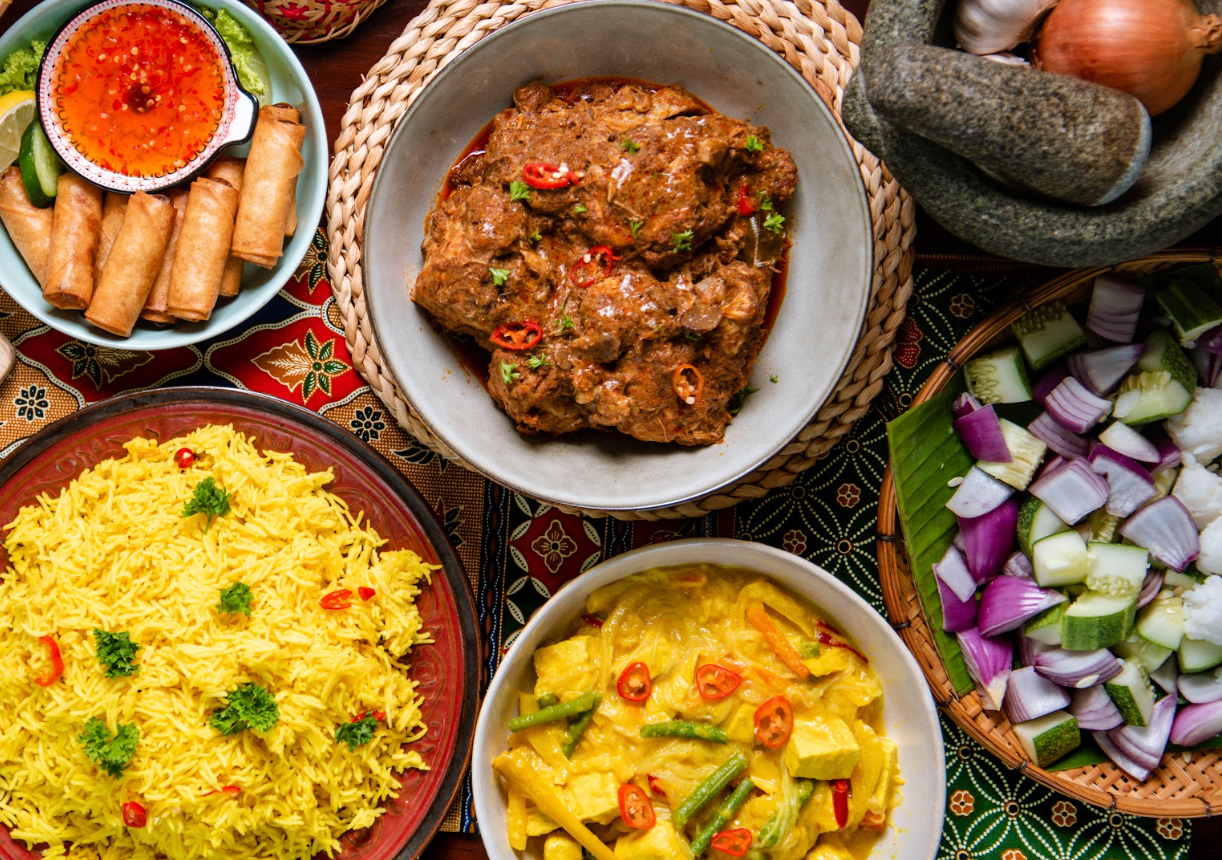
Skip Jalan Alor. Prices there reflect the tourist crowd, and locals rarely go. The best makan in KL is neighbourhood food, cooked by people who have been making the same dish for decades. Instead of chasing famous streets, look for these dishes wherever you are in the city.
Must-try Malaysian dishes
- Nasi Lemak — the national dish. Coconut rice, sambal, fried anchovies, peanuts, cucumber, boiled egg. Best with rendang (slow-cooked beef) or ayam berempah (spiced fried chicken).
- Roti Canai — flaky flatbread with curry, eaten for breakfast, lunch, or supper. Look out for variations: Roti Tissue (paper-thin), Roti Pisang (with banana), Roti Banjir (flooded with curry).
- Malaysian tropical fruits — durian, mangosteen, rambutan, ciku, nangka (jackfruit), longan. Best at a wet market or roadside stall in season.
- Street snacks — kuih (traditional Malay sweets), keropok lekor, satay, cendol, rojak, pisang goreng (fried banana fritters).
Malay food to look out for
- Nasi Kerabu — blue rice with herbs, salted egg, and fish. Kelantanese origin, increasingly popular in KL. The blue colour comes from butterfly pea flower, not food dye.
- Satay — grilled meat skewers with peanut sauce and ketupat (compressed rice cake). Best after 6pm at a proper satay stall.
- Laksa — spicy noodle soup, with regional variations. Curry laksa (creamy, coconut-based) in KL; assam laksa (tangy, tamarind-based) if you can find it.
- Rendang — slow-cooked beef in coconut and spices. Rich, dry, and legendary. Best at a Padang-style restaurant or during Hari Raya.
- Nasi Kandar — rice with multiple curries spooned over. Originally Penang, now excellent in KL. Ask for a mix of curries and gravies.
- Keropok Lekor — deep-fried fish crackers, chewy inside, crisp outside. A classic Malaysian snack.
Chinese-Malaysian food to look out for
- Char Kuey Teow — stir-fried flat noodles with prawns, egg, cockles, and bean sprouts, cooked over intense wok fire. Look for stalls with a queue.
- Dim Sum — Cantonese small plates, best at old-school kopitiam-style restaurants or busy weekend spots.
- Yong Tau Fu — stuffed tofu and vegetables in clear broth, cooked to order. Perfect for a lighter meal.
- Hainanese Chicken Rice — poached chicken with rice cooked in chicken stock. Simple, precise, deceptively hard to do well.
- Kaya Butter Toast with Half-Boiled Egg — the classic Malaysian breakfast: charcoal-grilled toast with coconut jam and butter, served with soft-boiled eggs and kopi. RM5 to RM10.
- Hokkien Mee — thick noodles in dark, savoury sauce with prawns and pork. Rich, black, unforgettable.
Indian-Malaysian food to look out for
- Banana Leaf Rice — rice served on a banana leaf with three vegetables, curry, papadum, and your choice of meat or fish. Traditionally eaten with your right hand.
- Tosai (Dosai) — thin fermented rice-and-lentil crepe served with chutney and sambar (lentil stew). Best for breakfast.
- Sup Kambing — spiced mutton soup with cinnamon, cardamom, and cloves. A late-night favourite at mamak stalls.
- Indomee / Maggi Goreng — instant noodles wok-fried Malaysian-style, usually with egg. A mamak staple.
- Indian Rojak — mixed fritters, tofu, and vegetables with sweet-spicy peanut sauce. Chaotic-looking, delicious.
Where locals actually eat these dishes
Three types of eateries you will see everywhere in KL, each with its own vibe:
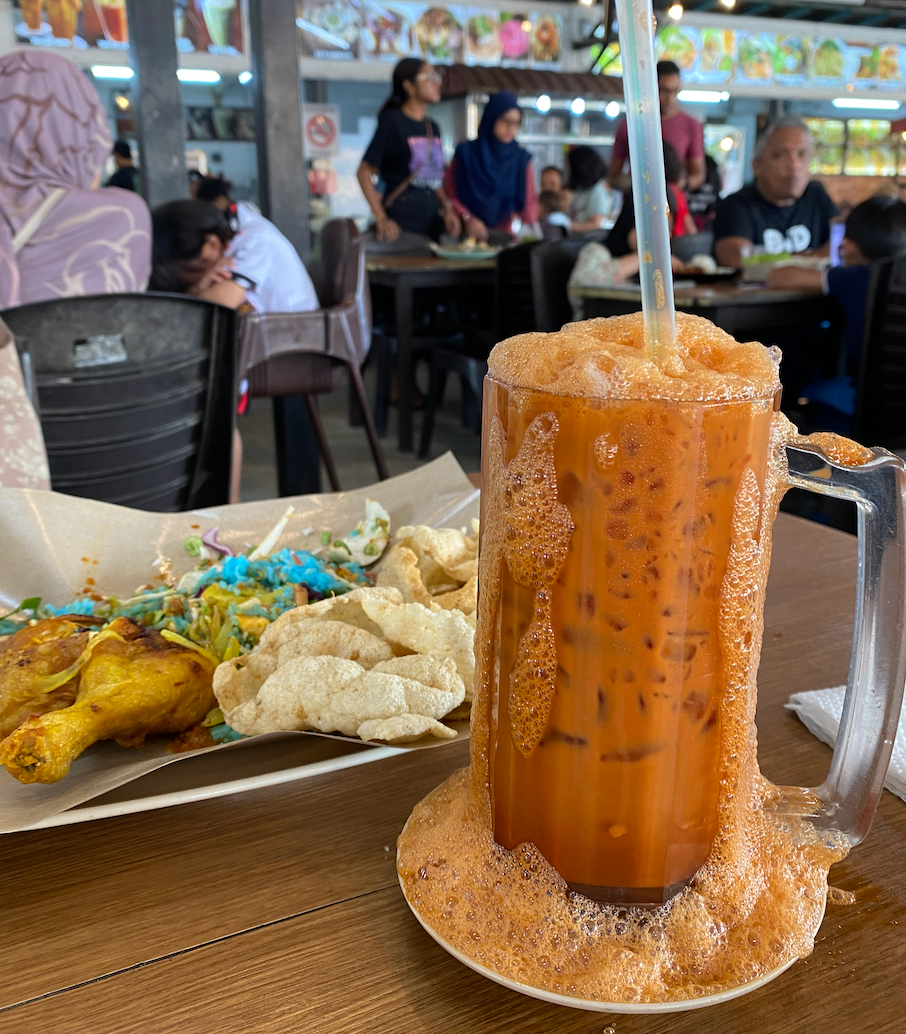
- Mamak — Indian-Muslim eateries open late (many are 24-hour). This is where KLites of all races and ages hang out over teh tarik and roti canai. Try Milo Dinosaur (Milo with condensed milk and a mountain of Milo powder on top) at least once.
- Kopitiam — literally "coffee shop" in Hokkien. A cluster of food stalls in one open-air space, each selling different dishes. Every neighbourhood has one. Come for a mixed lunch — one plate of char kuey teow, one of chicken rice, shared across the table.
- Pasar malam — the weekly night market in every KL neighbourhood, with hawker food, fruit, and street snacks all in one stretch. See section 7 for which markets run which nights.
One tip that will change your KL eating experience
Malaysian drinks are famously sweet by default. If you want less sugar in your teh tarik, kopi, or lime juice, tell the stall "kurang manis" (less sweet). Locals do it constantly. It is not rude, it is just standard.
3. Wander BSAS, Pos Negara, Seri Negara, and Bank Negara Museum
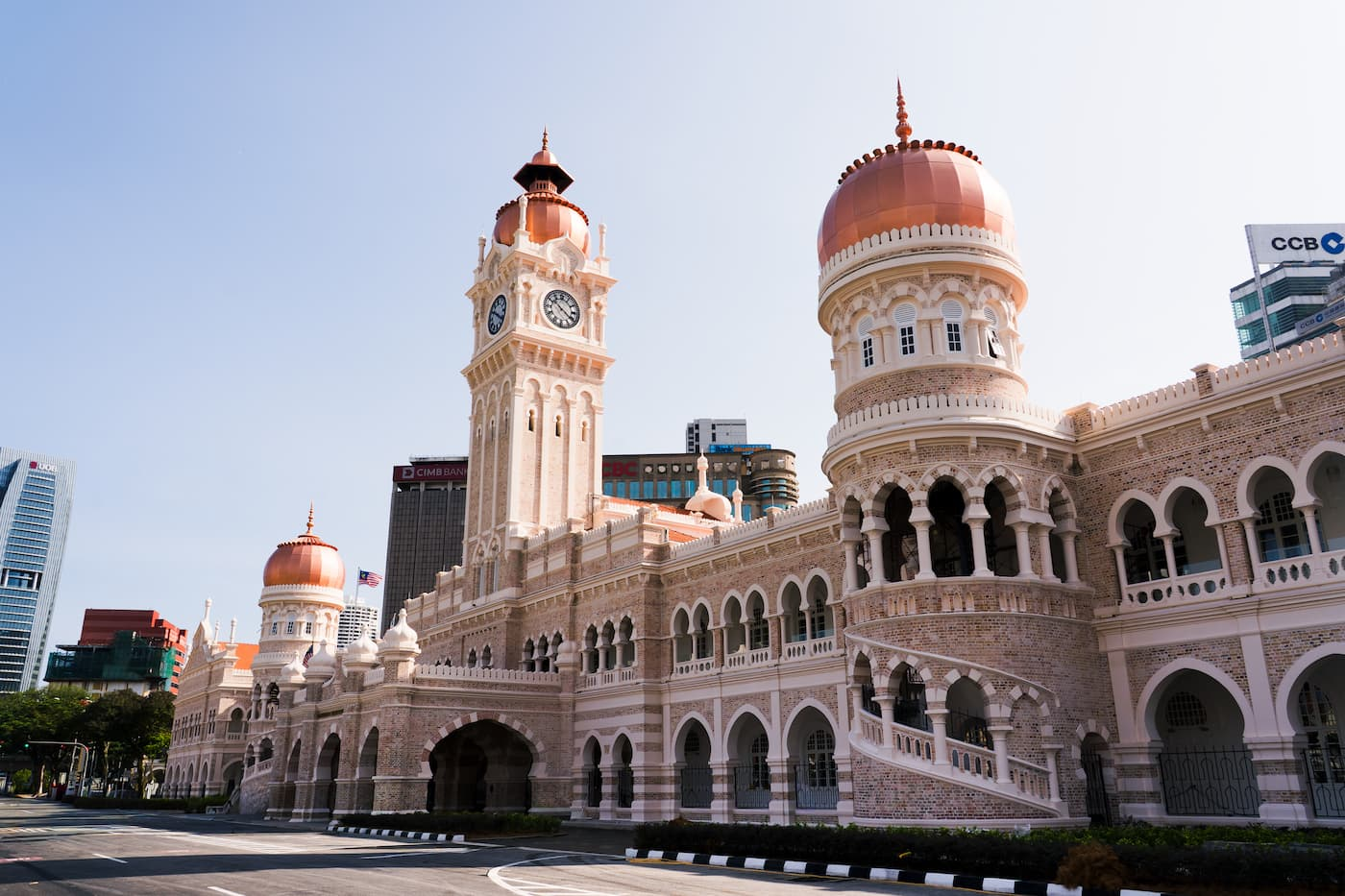
Photo Credit: https://www.warisankl.my/story-worthy-moments/history-architecture-and-new-experiences
The historical heart of KL is one of the most beautiful pockets of colonial-era architecture in Southeast Asia, and all in one cluster.
- Bangunan Sultan Abdul Samad (BSAS): the Moorish-domed landmark facing Merdeka Square, the most photographed heritage building in KL. Best just before sunset when the copper cladding glows.
- Pos Negara (old General Post Office) and Seri Negara: the elegant heritage buildings framing Merdeka Square, most travellers walk past without knowing what they are.
- Bank Negara Malaysia Museum & Art Gallery: genuinely one of the most underrated things to do in KL for free. Interactive exhibits on Malaysian history, money design, and financial education. The upstairs art gallery showcases works by local artists. Clean, air-conditioned, surprisingly fun.
Pair with the National Textile Museum on the same square for a free three-hour cultural loop that most tourists miss entirely.
4. Central Market and the River of Life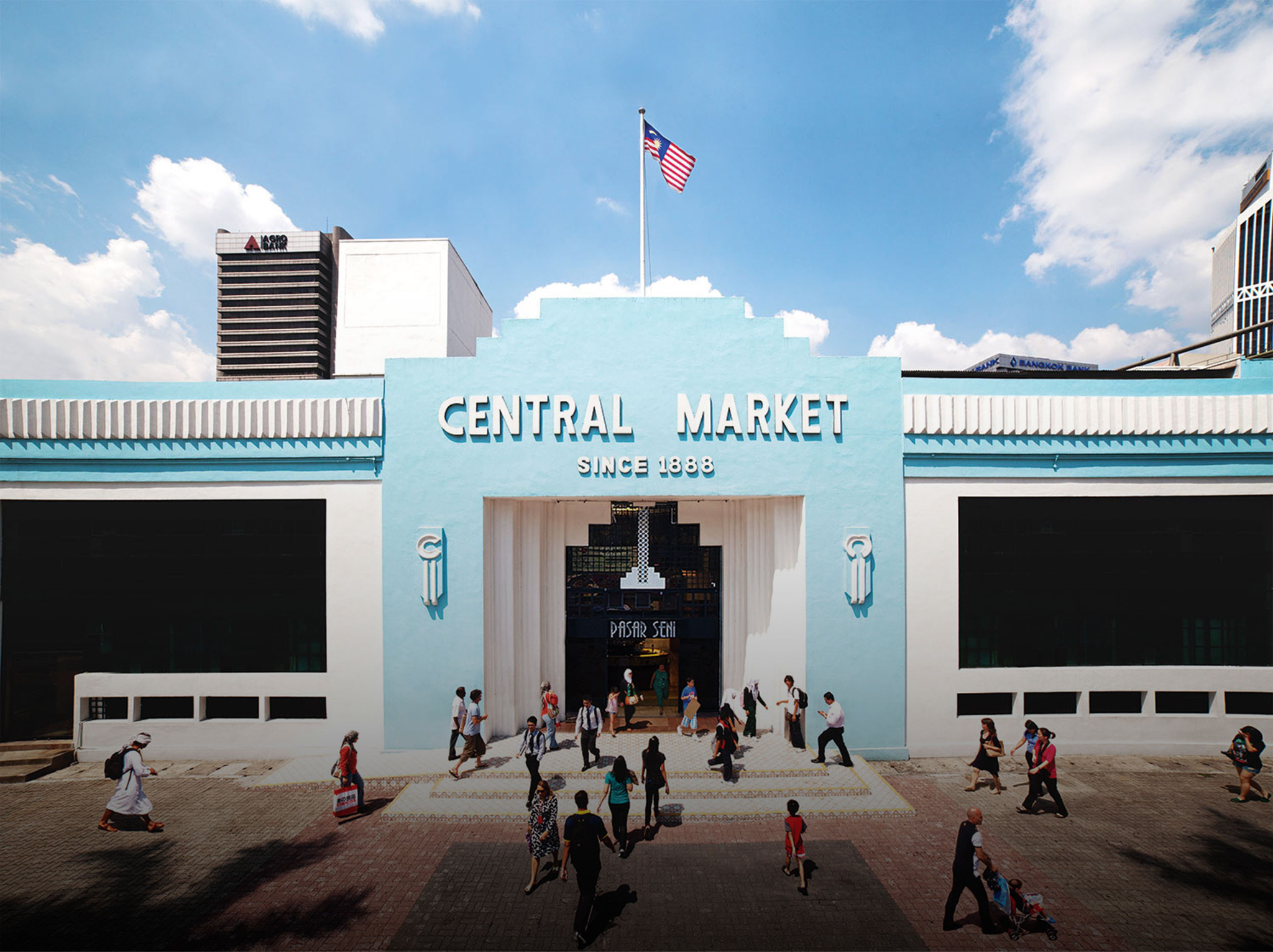
Photo Credit: https://centralmarket.com.my/
Central Market on a weekend is craft, batik, and a decent food court under one roof, with Kasturi Walk outside running pop-up events. A relaxed weekend to do in KL with friends.
A fair warning: you might end up shopping a lot.
Just next door, walk to the River of Life, the point where the Klang and Gombak rivers meet in the middle of the city. After 7pm the river is illuminated with blue lights, and every 15 minutes mist billows over the water, with a full fountain show at 9pm. Free, and one of the most surprising night-time experiences in KL.
5. Petaling Street, REXKL, and Kwai Chai Hong
Petaling Street's counterfeit-goods stalls are what most tourists photograph. What most tourists miss is what surrounds it.
- Kwai Chai Hong is a restored alleyway between two rows of pre-war shophouses just off Petaling Street, with six large murals depicting 1960s Chinatown life, a historical well, the oldest street lamp in KL, and an atmospheric cocktail bar. Free to enter, gorgeous for photography.
- REXKL, the restored former Rex Cinema, is now one of KL's best cultural spaces with indie bookstores, cafes, exhibitions, and events. Come for the architecture, stay for the coffee.
This whole area can be done in half a day, walking. You’ll see more locals there on weekends than tourist, and feels nothing like the touristy version of Chinatown people usually experience.
6. Do breakfast at the morning wet markets - TTDI or Pudu
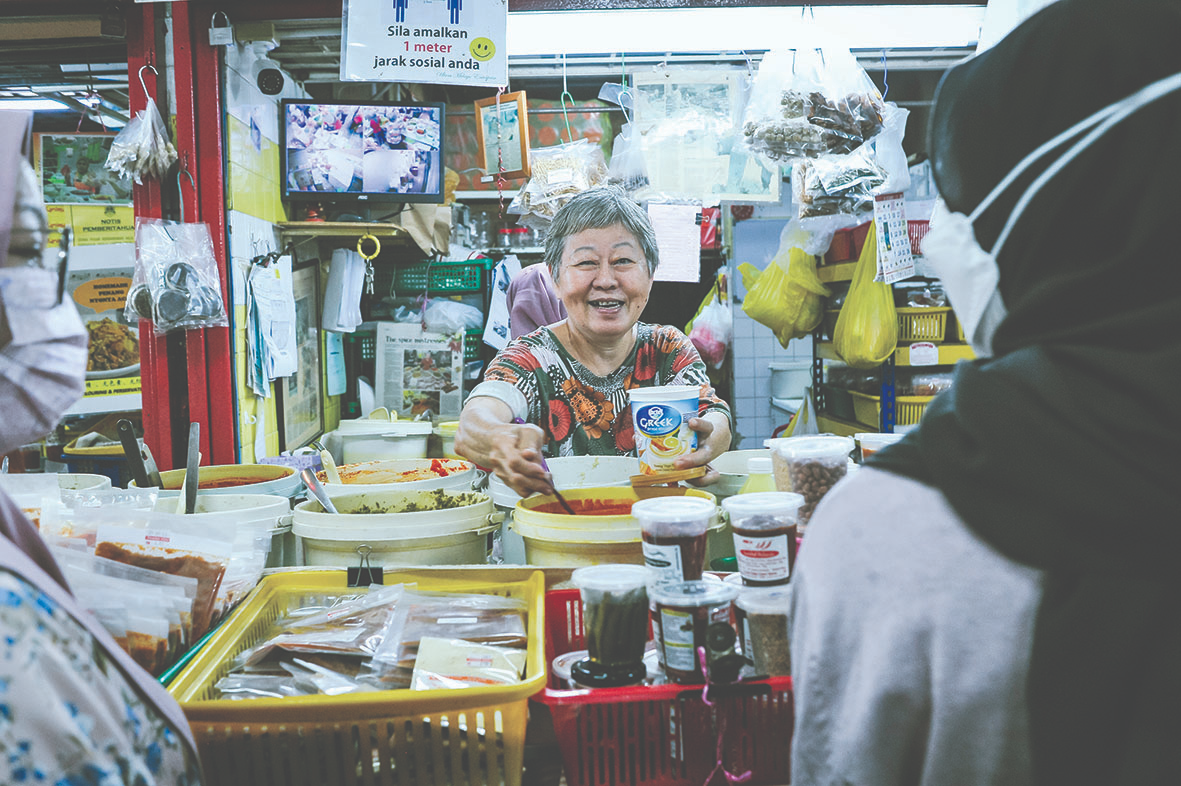
Photo Credit: https://www.kosmo.com.my/2022/11/01/populariti-auntie-rempah-pasar-ttdi/
The morning wet market is where KL actually eats. Two locals consistently recommend:
- Pasar Besar TTDI — Tuesday to Sunday, 6am to 2pm. Chanai & Chaya has been serving appam, thosai and roti canai here for close to 40 years. Nasi kandar, wet market rhythm, and Roseline at Lizar Chilli Spices (lot TS 23) if you want to cook Malaysian at home - she sells prepacked spice kits with English instructions.
- Pudu Wet Market — the largest and oldest in KL, open from 5am. Butchers, seafood, produce, and some of the best breakfast stalls in the city hidden inside.
Come before 9am on a weekend. Bring cash. Wear shoes you don't mind getting a bit wet.
7. Explore the pasar malam scene - Taman Connaught and beyond
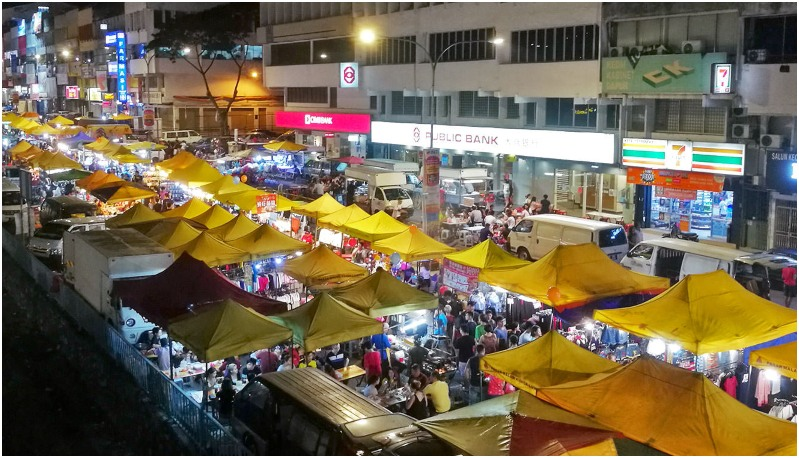
Photo Credit: Hotels.com
Every neighbourhood in KL has its own weekly pasar malam (night market), and each one has its own loyal crowd. The classics:
Taman Connaught @ Wednesday
The largest and busiest. 2km stretch of stalls.
TTDI @ Sunday, 4pm–10:30pm
Neighbourhood energy, less touristy than Bangsar.
SS2 (PJ) @ Monday & Friday
Strong Chinese-Malaysian market.
Sri Petaling @ Tuesday
Quieter alternative to Connaught, similar variety.
Kampung Baru @ Saturday
The most culturally significant Malay market.
Non-negotiables to eat: apam balik (crispy version), ayam potong (fried chicken), pisang goreng, laksa, and fresh coconut or sugar cane juice. Fun things to do in KL genuinely don't get more Malaysian than this.
8. Explore Ilham Gallery and the KL contemporary art scene
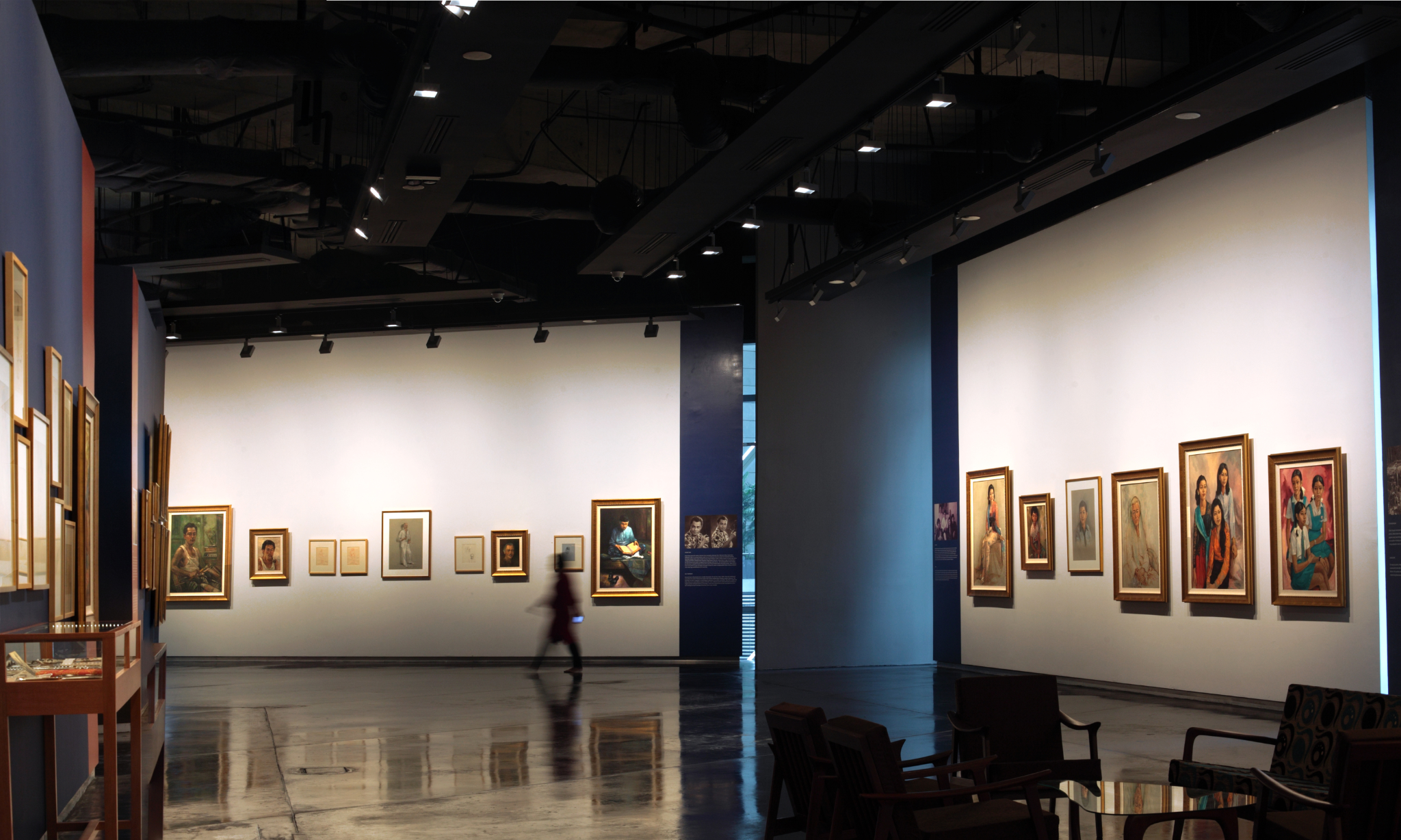
Photo Credit: Junyu Teoh
Ilham Gallery in the city centre runs free contemporary art exhibitions by Malaysian and Southeast Asian artists, curated at genuinely international standard. Pair with:
- National Art Gallery (Balai Seni Negara) for the permanent Malaysian art collection, also free
- KL Journal Gallery for smaller, more experimental shows
- The Zhongshan Building in Kampung Attap for artist studios, indie exhibitions, and vinyl records
A full afternoon of art, mostly free, and one of the most underrated cultural experiences in KL for locals and travellers alike.
9. Take a Saturday morning at Taman Tugu
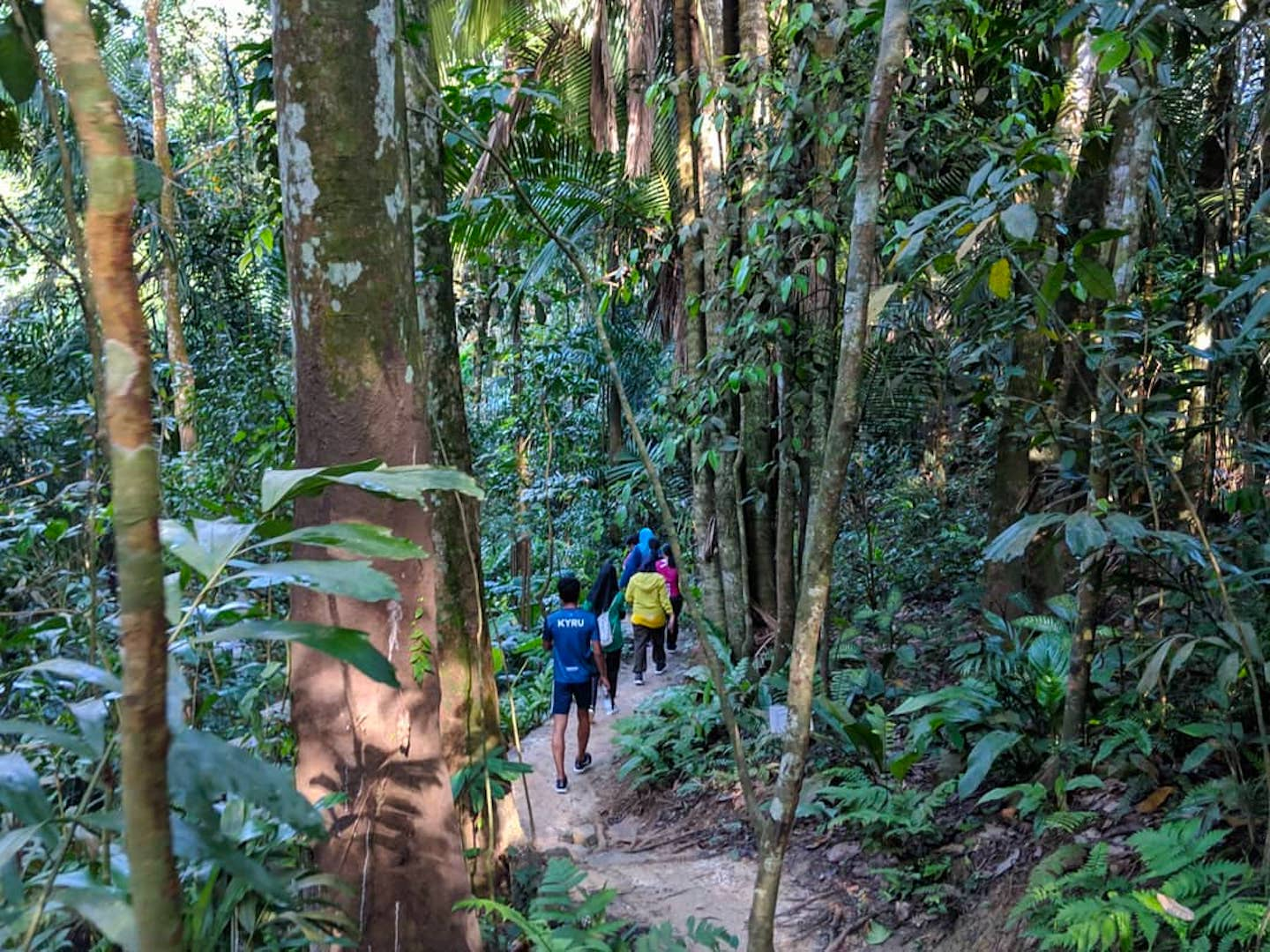
Photo Credit: Taman Tugu Project
A 66-hectare rainforest reserve in the middle of the city with proper walking trails, all free. Come early Saturday morning when the paths are still quiet, and pair with breakfast at one of the Bukit Damansara cafes afterwards. A proper weekend to do in KL for anyone who wants outdoors without leaving the city.
Similar option nearby: KL Forest Eco Park and its canopy walk suspended 30 metres above ground - real rainforest with the Petronas Towers visible through the trees. Most tourists cannot believe there is a proper forest ten minutes from KLCC.
10. Go cafe hopping
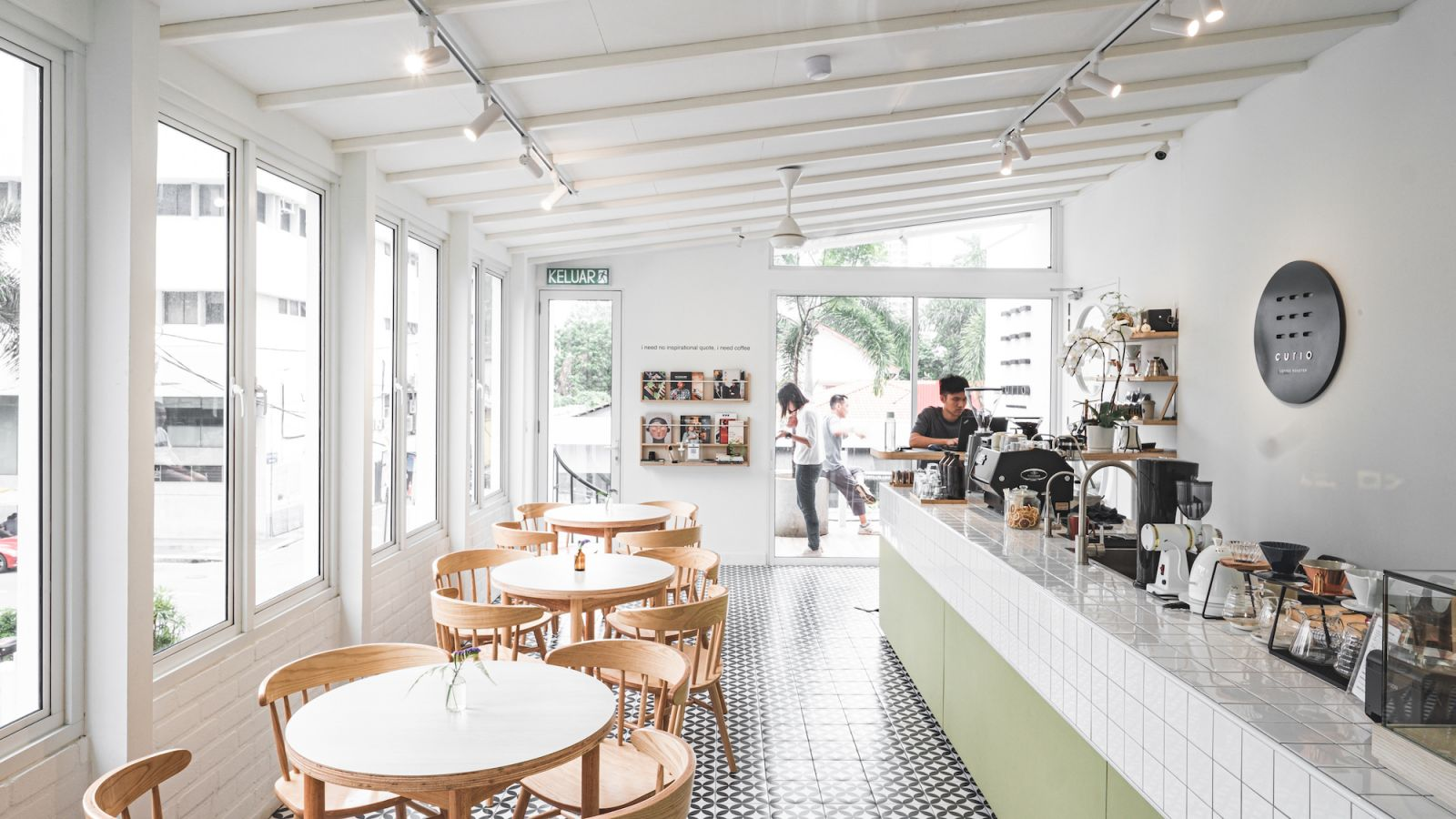
Photo Credit: Curio Coffee
KL's cafe scene is genuinely world-class, and locals treat weekend cafe hopping as its own activity. Just search for cafes on Google Maps, you’ll see plenty around you wherever you are!
11. Catch music, theatre, or dance at KLPAC, Jao Tim, and more
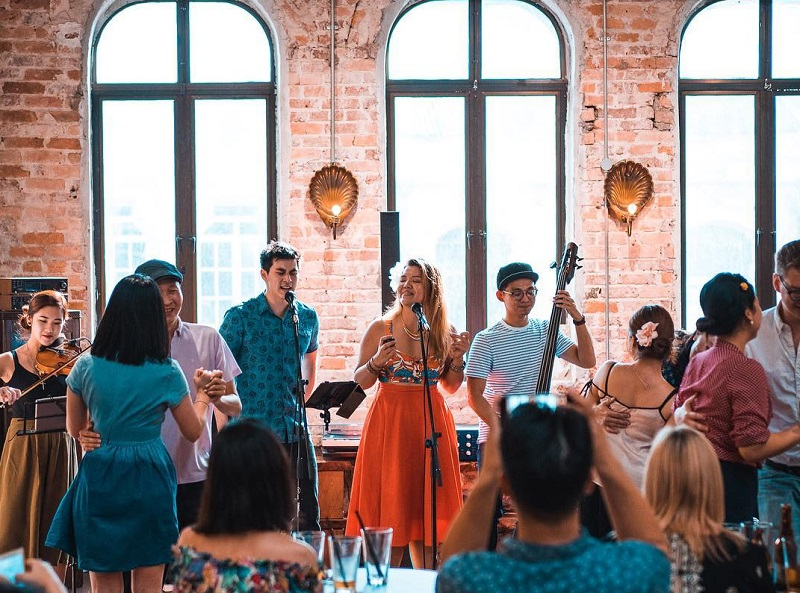
Photo Credit: Jao Tim
KL has a small but strong live arts scene that most travellers miss entirely.
- KLPAC in Sentul for contemporary theatre and dance, RM40 to RM80 per ticket
- Jao Tim in Chinatown for intimate music and cultural nights in a restored heritage building
- Swing dance, primarily led by the KL Swing and LindyKL
A great activity to do in KL on a weekday evening when you want culture without a mall.
12. Share a meal with a refugee chef at a PichaEats Open House
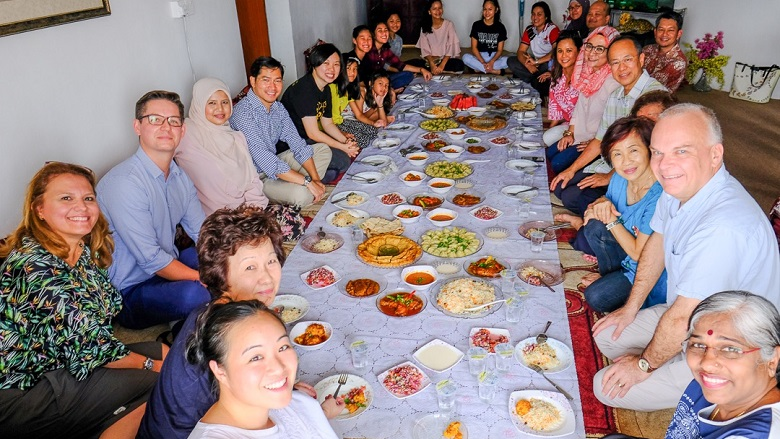
The most meaningful experience in KL on this list, and the easiest way to visit a social enterprise in KL while doing something you would want to do anyway. Expat groups, corporate teams, and international student cohorts return to it year after year for exactly this reason.
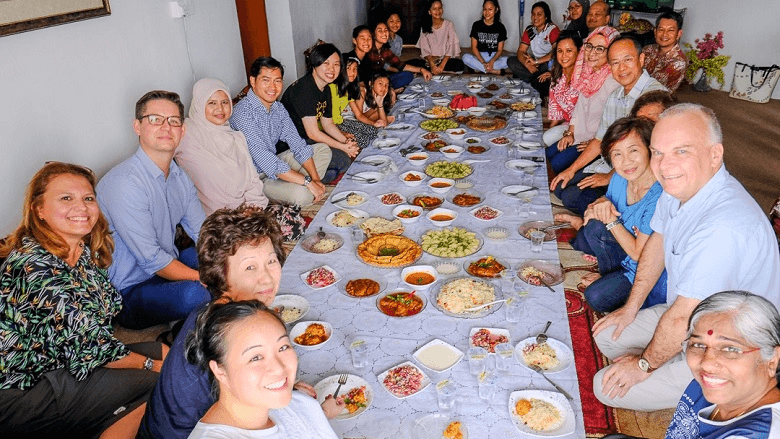
A PichaEats Open House brings a small group together with a refugee chef in Kuala Lumpur for an intimate meal of Syrian, Palestinian, Afghan, or Pakistani cuisine. The chef cooks a full spread of dishes from their home country, and over the meal shares their story: how they came to Malaysia, what cooking means to them here, and the daily work of building a life in a new country.
Guests also learn how the PichaEats social enterprise model works. Since 2016, PichaEats has partnered with over 70 refugee chef families across Malaysia, served more than 350,000 meals, and channelled meaningful income directly to households that had almost no formal employment options in Malaysia.
Every experience includes a full multi-course meal, dessert, drinks, and time to chat with the chef. Halal-sourced ingredients throughout. Available across the Klang Valley.
Who books an Open House:
- Travellers and expats looking for a fun experience in KL that is different from the typical restaurant meal
- Corporate teams using it as a CSR-aligned team offsite or onboarding activity — this is where "impact in KL" becomes measurable
- International student groups visiting Malaysia (recent groups from Australia have booked as part of their KL study programme)
- Local KLites hosting overseas guests who want an experience beyond the usual tourist trail
- Small private groups celebrating birthdays, farewells, or gatherings that call for something more personal than a restaurant booking
What makes the Open House different from a regular meal in KL?
Three things make it different from any other place to eat in KL:
1. The cuisines are genuinely rare. Authentic Syrian, Palestinian, Afghan, and Pakistani cooking is almost impossible to find in KL restaurants. These are dishes cooked by people who grew up making them, using recipes that come from their families, not a menu consultant.
2. The story sits with the meal, not around it. You are not watching a documentary. You are eating dinner and talking to the person who cooked it. The story emerges through the food itself: what a dish is called, when it is served at home, why a certain spice matters.
3. Every booking creates measurable impact. Corporate teams using it for CSR days can request an impact summary showing how their booking directly supports refugee chef families in Malaysia. This is the difference between an activity and an activity with follow-through.
Frequently asked questions about things to do in KL and PichaEats Open House
What are some non-touristy things to do in KL?
The best non-touristy activities to do in KL are the ones locals do weekly: Kampung Baru nasi lemak, TTDI Sunday pasar malam, Taman Connaught Wednesday market, Kwai Chai Hong in Chinatown, cafe hopping in Bangsar or TTDI, Bank Negara Museum, and morning breakfast at wet markets like TTDI or Pudu. For a group activity in KL that combines food and meaningful cultural exchange, a PichaEats Open House is a good option from RM150 per pax.
Where can I visit a social enterprise in KL?
The easiest way to visit a social enterprise in Kuala Lumpur as part of a group experience is a PichaEats Open House — a small-group meal with a refugee chef featuring authentic Syrian, Palestinian, Afghan, or Pakistani cuisine. Guests learn how PichaEats' social enterprise model has supported over 70 refugee chef families since 2016, while sharing a meal in the Klang Valley. From RM150 per pax, groups of 4 to 25. Other Malaysian social enterprises worth visiting include community projects run by Yayasan Chow Kit, Dignity for Children Foundation, and community volunteer sessions with Kloth Cares.
How much do unique experiences in KL usually cost?
Cultural experiences in Kuala Lumpur range from free (Bank Negara Museum, Merdeka Square, Ilham Gallery, KL Forest Eco Park, River of Life, community volunteering) to RM250 per pax (private cooking classes, private dining). PichaEats Open House sits in the RM150 to RM180 range depending on group size — mid-range for meaningful group experiences in KL.
What is a good group activity in KL for a corporate team?
For groups of 10 to 25, a PichaEats Open House works particularly well as a corporate group activity because it combines a shared meal, a meaningful cultural experience, and CSR-aligned impact in a single 2 to 3-hour session. Alternatives include cooking classes, community volunteer days, and heritage walking tours around Kampung Baru or Chinatown.
Are there Malaysian activities to do in KL for under RM200 per pax?
Yes. Most cultural and food experiences in KL, including PichaEats Open House from RM150 per pax, sit under RM200 per pax. Free options include Batu Caves, Bank Negara Museum, Kampung Baru walking tours, KL Forest Eco Park, TTDI pasar malam, Kwai Chai Hong, Ilham Gallery, and Taman Tugu.
What is a meaningful weekend to do in KL?
Combine a Saturday morning at Pasar Besar TTDI for breakfast, an afternoon at Ilham Gallery and Taman Tugu, dinner at Kampung Baru pasar malam, and a Sunday PichaEats Open House lunch. That is a full weekend of Malaysian makan in KL, culture, and impact for under RM250 total per person.
Can international student groups book a PichaEats Open House?
Yes. Recent groups from Australia have booked Open House sessions as part of their KL study programme. Groups of up to 25 are welcome, and PichaEats can customise the discussion to focus on refugee entrepreneurship, food and identity, or social enterprise business models depending on what the students are studying.
How do I book a PichaEats Open House?
You can enquire directly through the PichaEats website or WhatsApp the team. Bookings usually need 5 working days ahead. Groups from 4 to 25 pax across Klang Valley.
Ready to plan your KL weekend?
The best experiences in KL are the ones locals do every week — the wet market breakfast, the neighbourhood pasar malam, the free museum most tourists walk past, the cafe with the good filter coffee. Add one meaningful new experience like a PichaEats Open House and you have a proper weekend that will stay with you longer than any Petronas Towers photo.
If you want to skip the guidebook trail entirely, book a PichaEats Open House for your next group activity in KL. From RM150 per pax, groups of 4 to 25, halal, across the Klang Valley. A meal, a story, and an evening you will remember.
Article by the PichaEats team. PichaEats is a Malaysian social enterprise founded in 2016, partnering with refugee chef families from Syria, Palestine, Afghanistan, Pakistan, and Iraq to offer catering, meal delivery, and cultural Open House experiences across Kuala Lumpur and the Klang Valley.
Related reading: